When Power Becomes a Thorn: A Warning from Micah
Both hands are skilled in doing evil;
the ruler demands gifts,
the judge accepts bribes,
the powerful dictate what they desire—
they all conspire together.
The best of them is like a brier,
the most upright worse than a thorn hedge.
The day God visits you has come,
the day your watchmen sound the alarm.
Now is the time of your confusion.
Micah 7:3–4
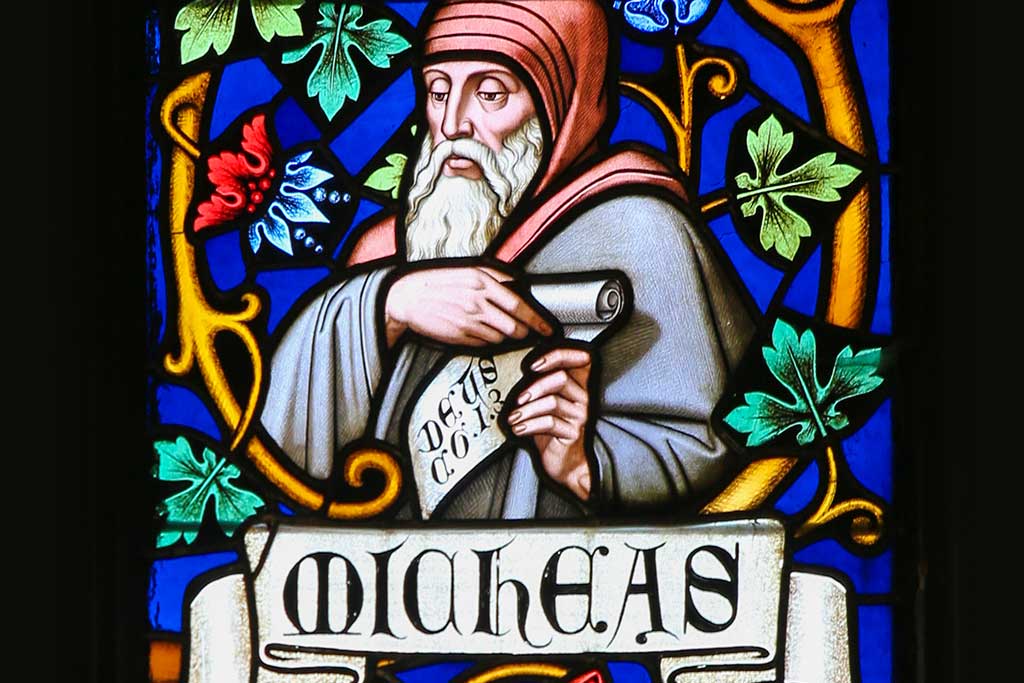
The final chapter of Micah paints a dim picture of Israel. The people couldn’t be trusted, but lay in wait to use, abuse, and destroy each other.
Micah 7:3–4 tells us why this happened: poor leadership at the top. The rulers, princes and judges worked for kickbacks and bribes. They schemed how they could beat the system and better their own status. They expected the people to serve them instead of them serving the people.
When leaders fail to practice servant leadership, inevitably they become self-serving. Without a compelling cause to better mankind, all leaders find a cause to serve their own interests. This self-service eventually becomes a thorn in their leadership.
As Responsibilities Increase, Rights Decrease
Here is a principle that cuts against every natural instinct leaders have: the higher you rise, the more you owe. The more people who follow you, the more people you are called to serve. The world tells us that power is something to be accumulated and protected. But Jesus turned that idea completely upside down.
The Old Testament uses several Hebrew terms that we translate as “servant,” each one presenting a slightly different picture of the heart of a servant. What can we learn from these terms? Plenty. Jesus forever linked leadership with servanthood (Matthew 20:25–28):
Jesus called them together and said, “You know that the rulers of the Gentiles lord it over them, and their high officials exercise authority over them. Not so with you. Instead, whoever wants to become great among you must be your servant, and whoever wants to be first must be your slave—just as the Son of Man did not come to be served, but to serve, and to give his life as a ransom for many.”
Notice what Jesus did not say. He didn’t say, “Try to be a little more helpful.” He didn’t offer a minor adjustment to the leadership models of his day. He issued a complete reversal. Greatness in the Kingdom of God is measured by how well you serve—not by how many serve you.
Let’s take a moment to discover what we might learn about servant leadership from some of these ancient Hebrew words:
1. Ebed: a love-slave or servant. This term describes someone who is at the complete disposal of another (Deuteronomy 15:12–18). Likewise, leaders must be at the disposal of the Lord and their people.
2. Abad: one who gives up personal rights in order to work in the fields or tabernacle (Numbers 18:7, 23). In a similar way, leaders must sacrifice their rights and stay surrendered to the cause.
3. Sakyir: a hired servant who works for pay, by day or by year (Leviticus 25:39–42). A leader must avoid the perspective of a “paid professional.”
4. Sharath: someone who will perform menial tasks to accomplish an overall goal (Exodus 28:35–43). Leaders must do whatever it takes to serve the mission.
The Question We All Must Answer
The leaders in Micah’s day had answers for everything—except the most important question: Who am I here to serve? They filled their own storehouses while the people suffered. They built their own reputations while justice crumbled. And God noticed.
He always does.
The good news for us is that we don’t have to follow their example. The leaders of Israel in Micah’s time chose the path of self-interest, and it cost them everything. As Christians, we are called to choose differently. We have Jesus, who modeled it perfectly. On the night he was betrayed, Jesus wrapped a towel around his waist, knelt on the floor, and washed the feet of twelve ordinary men. The King of Kings took the posture of the lowest household servant.
If our Lord could wash His disciples’ feet as a lowly sharath, then how could we frown at becoming an ebed?
Drawn from content by John C. Maxwell in the NIV Maxwell Leadership Bible.
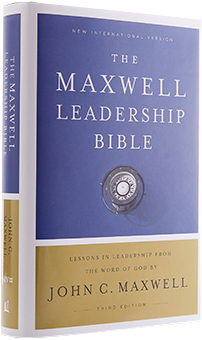
NIV Maxwell Leadership Bible
Every believer is a person of influence. In the NIV Maxwell Leadership Bible, leadership expert John C. Maxwell shows you the principles of leadership taught in God’s Word and how to use them.
Learn More