
The Importance of Knowing the Attributes of God
Who is God, really?
Not just what he has done. Not just the stories we know so well. But who he is at his very core. What is God like? What kind of God stands behind every promise, every command, every page of Scripture?
These are not abstract questions reserved for theologians or seminary classrooms. They matter for every one of us, whether you’re three or eighty-three, whether you’ve followed Jesus for decades or are just beginning to ask honest questions about faith.
The Bible is filled with stories—beautiful, dramatic, unforgettable stories. We know about Daniel and the lions, David and Goliath, Jesus walking on water. But beneath every story is something even more foundational: the unchanging character of God. Scripture doesn’t just tell us what God has done; it reveals who he is.
And if we miss that, we miss the point.
To know God’s attributes—to know what he is like—is not a side topic of the Christian faith. It is incredibly central. Scripture’s great aim is not simply to inform us about God’s works, but to introduce us to God himself.
Why Knowing God’s Attributes Matters
It Makes God Personal
Think about how you describe someone you want another person to know. You don’t just list their accomplishments or recount stories about them. You describe who they are: their personality, their character, their traits. You might say they’re loyal, generous, creative, or patient. These attributes help paint a picture of the person.
The same is true of God.
Though we cannot see him with our physical eyes, we can grasp who he is by understanding his character: God is kind, generous, faithful, merciful, and so much more.
And because God always acts in accordance with his character, knowing who he is helps us trust what he does. God acts in the world in ways aligned with his unchanging character, which means we can know with certainty that he never sleeps, that he is always with us, and that he hears us when we pray (even when we pray silently in our hearts).
By knowing these truths, God becomes more personal to us. We begin to understand not just what he has done, but why God does what he does. We see the heart behind his actions.
It Grounds Us When Life Raises Hard Questions
We all wrestle with profound questions: Why does God love us? Why did he create us? Why does he allow suffering? How can I trust him with my future? Where is he when I’m hurting?
When we understand God’s attributes, we have anchors for these questions. We can answer “Why does God love us?” with the truth that God is love—it’s his very nature. We can answer “Why did God make us?” by understanding that God is creative and relational, and he made us to know him and reflect his glory. We can face suffering by clinging to the truth that God is compassionate, sovereign, and good—even when we can’t see or understand his purposes.
These truths don’t promise tidy explanations. But they anchor us to what is true when life feels uncertain.
Ten Attributes of God That Transform How We See Him
Understanding God’s attributes helps us to see him more clearly, love him more deeply, and trust him more fully. Here are ten attributes of God with practical applications for our lives:
1. God is Eternal
Before the mountains were born or you brought forth the whole world, from everlasting to everlasting you are God. (Psalm 90:2)
God has no beginning and no end. He exists outside of time, and his character never changes with the passing years. Knowing this helps us see that God is not subject to the limitations we face. He sees all of history at once—past, present, and future. When we’re anxious about tomorrow or burdened by yesterday, we can rest knowing that our eternal God holds all our days in his hands.
2. God is Omnipresent (Present Everywhere)
Where can I go from your Spirit? Where can I flee from your presence? If I go up to the heavens, you are there; if I make my bed in the depths, you are there. (Psalm 139:7-8)
God is always fully present everywhere. This means you are never alone, never beyond his reach, and never in a place where he cannot see you or help you. When you feel isolated or abandoned, God is right there with you. When you’re afraid in the darkness, he’s there. When you’re celebrating in joy, he’s there too. His presence is not divided or diminished—he is fully with you while being fully with every other person who calls on his name.
3. God is Omniscient (All-Knowing)
Nothing in all creation is hidden from God’s sight. Everything is uncovered and laid bare before the eyes of him to whom we must give account. (Hebrews 4:13)
God knows everything—past, present, and future. He knows every thought, every motive, every fear, and every hope. This can be both comforting and convicting. It means you can never fool God, but it also means you never have to explain yourself to him. He already knows. He understands your struggles before you voice them. He sees the pain you hide from everyone else. This makes prayer deeply personal—you’re not informing God of anything; you’re communing with the One who already knows you completely and loves you anyway.
4. God is Holy
“Holy, holy, holy is the Lord God Almighty, who was, and is, and is to come.” (Revelation 4:8)
God is set apart, morally perfect, and without any hint of sin or evil. His holiness is the standard of all goodness. Understanding God’s holiness helps us see both his transcendence—he is far above us—and why we desperately need a Savior. We cannot approach a holy God in our own merit. But knowing his holiness also helps us understand why sin is so serious and why his grace is so amazing. A holy God doesn’t overlook our sin; he dealt with it completely through Jesus’s life, death, and resurrection, making it possible for us to come near to him.
5. God is Love
God is love. Whoever lives in love lives in God, and God in them. (1 John 4:16)
Love isn’t just something God does—it’s who he is. Everything God does flows from his perfect love. This means God’s discipline is loving, his correction is loving, and even his judgments are consistent with his loving character. When you question whether God cares about you, remember that his very nature is love. He cannot act unlovingly toward you any more than water can cease to be wet. Every moment of your life is touched by the love of God, whether you feel it or not.
6. God is Just
For the LORD is righteous, he loves justice; the upright will see his face. (Psalm 11:7)
God is perfectly fair and always does what is right. He never shows favoritism, never makes mistakes, and never lets evil go unpunished. This attribute helps us trust God when we see injustice in the world. We can know with certainty that every wrong will ultimately be made right, every hidden sin will be brought to light, and every person will be treated with perfect fairness. While earthly judges can be corrupt or make errors, God’s judgments are always true and right. This should both comfort us when we’re wronged and humble us when we recognize our own need for his mercy.
7. God is Faithful
Know therefore that the LORD your God is God; he is the faithful God, keeping his covenant of love to a thousand generations of those who love him and keep his commandments. (Deuteronomy 7:9)
God always keeps his promises. He never abandons his people, never forgets his word, and never fails to follow through. When we struggle with trust—in relationships, in circumstances, in life—knowing God’s faithfulness gives us an anchor. People may let us down, but God never will. His track record is perfect. Every promise he has made will be fulfilled in his perfect timing. When you read God’s promises in Scripture, you can be sure of them because they come from a God who is completely faithful.
8. God is Merciful
The LORD is compassionate and gracious, slow to anger, abounding in love. (Psalm 103:8)
God withholds the punishment we deserve and shows us compassion instead. His mercy means that he doesn’t treat us as our sins deserve. Every morning we wake up is a gift of God’s mercy. Every breath is undeserved kindness. Understanding God’s mercy transforms how we see our own failures and how we treat others. If God has shown us such incredible mercy, how can we withhold it from those who wrong us? This attribute also brings comfort—no matter what you’ve done, God’s mercy is greater. You can always come back to him.
9. God is Sovereign
Our God is in heaven; he does whatever pleases him. (Psalm 115:3)
God has supreme authority and control over all things. Nothing happens outside of his knowledge or against his ultimate will. This doesn’t mean God causes evil, but it does mean that nothing—not even evil—can thwart his purposes. When life feels chaotic and out of control, God’s sovereignty assures us that he is still on the throne. Your greatest fears, your biggest problems, your most confusing circumstances—none of these have escaped God’s sovereign hand. He can use even the darkest moments for his glory and your ultimate good.
10. God is Good
Give thanks to the LORD, for he is good; his love endures forever. (Psalm 107:1)
God’s goodness means that he is the ultimate source of all that is good, and he desires good for his creation. Everything he does is motivated by his good character. This attribute helps us trust God even when his ways don’t make sense to us. When we face trials, loss, or unanswered prayers, we can hold onto the truth that God is good—always, completely, without exception. His goodness doesn’t mean life will be easy, but it does mean that he is working all things together for the good of those who love him (Romans 8:28). A good God can be trusted, even in the darkness.
Teaching God’s Attributes to Children: Start Early
While understanding God’s attributes matters for people of all ages, there’s something uniquely important about teaching these truths to children at an early age. Young children may not grasp the full theological weight of God’s omnipresence or sovereignty, but they can understand that “God is always with me” and “God is in charge of everything.” They may not comprehend the depth of God’s holiness, but they can learn that “God is perfect and never does anything wrong.” These simple truths, planted early, give children something solid to build on as they grow.
When a child asks, “Why does God love us?”, we can answer with truth about God’s attributes: “God loves us because God is love. That’s who he is.” When they wonder, “Why did God make us?” we can respond, “God made us because God is creative, and he wanted us to know Him.” These answers may not fully sink in, but they give children something true and lasting to hold onto.
Teaching children about God’s attributes makes God real to them. Not distant. Not abstract. Rather than God being a distant figure in Bible stories, he becomes real—a God who never sleeps (so he’s always watching over them), who hears their prayers (even the ones they whisper), who loves them no matter what (because he is love), and who will never leave them (because he is faithful). These truths provide security, comfort, and a framework for faith that will sustain them throughout their lives.
Discipling children in the truth of who God is shapes their faith for a lifetime. And as we teach them, we often find our own hearts renewed—reminded again of the wonder and beauty of our unchanging God.
If you’re looking for a resource to help children develop a deeper understanding of God, the NIrV Tiny Theologians Bible is a wonderful Bible designed to help young readers develop biblical literacy from an early age.
By Amy Gannett
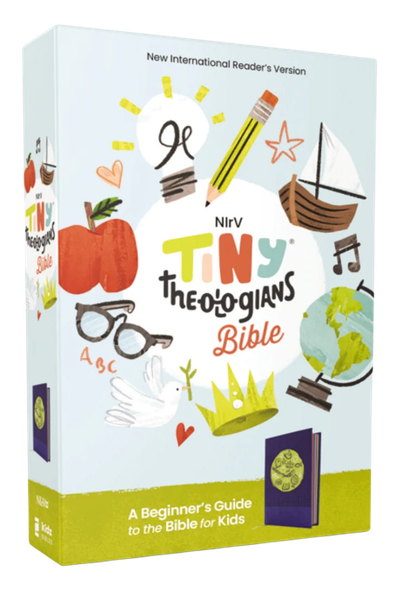
Tiny Theologians Bible
Designed to help kids ages 6 to 10 grow in their faith while learning how to navigate Scripture. This easy-to-read NIrV Bible introduces children to the basics of biblical literacy, equipping them with the tools they need to understand God’s love, mercy, and promises. With engaging study features throughout, this Bible makes it easier for kids to grasp the big story of the Bible—how 66 individual books come together to tell one incredible story of God’s love.
Learn More