
3 Foundations for Building Biblical Literacy
Have you ever opened your Bible with good intentions, only to feel lost or overwhelmed? Perhaps you started reading in Leviticus and found yourself confused by ancient laws about sacrifices. Or maybe you jumped into the book of Revelation and couldn’t make sense of the vivid imagery. You’re not alone. Many Christians—both new believers and those who’ve been in the faith for years—struggle to read the Bible with confidence and understanding.
Biblical literacy isn’t about becoming a scholar or memorizing every verse. It’s about developing foundational skills that help you understand what you’re reading, why it matters, and how it fits into the larger story God is telling. Whether you’re brand new to the Bible or have been reading it for decades, these foundations will transform how you engage with God’s Word.
1. Recognizing Different Literary Genres
The Bible is unlike any other book. It’s a collection of 66 books written over approximately 1,500 years by more than 40 different authors in multiple languages and cultures. I stand in awe of the fact that our God saw it fit to give us the gift of his Word in not just one writing style but many! The Bible is full of poetry and prose, storytelling, history, wisdom literature, letters, and more! Each genre has its own characteristics and understanding these differences is crucial to reading Scripture correctly.
When we read poetry, we expect figurative language, imagery, and emotional expression. When we read history, we look for chronological events and factual accounts. When we read a letter, we consider who wrote it, who received it, and what prompted it. Recognizing these genres helps us avoid misinterpreting Scripture—like reading poetry as if it were a science textbook, or treating a historical narrative as if it were a parable.
Biblical Example: Consider Psalm 91:4, which says, “He will cover you with his feathers, and under his wings you will find refuge.” This is poetry, using the metaphor of a bird protecting its young to describe God’s care for us. God doesn’t literally have feathers or wings—this is figurative language expressing a beautiful truth.
Now compare this to Luke 2:1-7, which describes the birth of Jesus. This is historical narrative, telling us actual events that happened: Caesar Augustus issued a decree, people traveled to their ancestral towns for a census, and Jesus was born in Bethlehem. Understanding genre helps us read each passage appropriately—appreciating the poetic imagery in the Psalm while recognizing the historical facts in Luke.
Tips for Young Kids: We can help children grow in their appreciation of genre differences by helping them to recognize the differences in writing types with new books in general. For example, I will often call out the differences with my five-and three-year-old children—“Oh look, we got a book of poems! These help us imagine what someone else is feeling by using beautiful words.” Or “Look at this one—it’s a story about something true that happened long ago.” Or, when we open the Bible to read as a family, I’ll make a similar simple statement: “Looks like we’re reading from Matthew again today. Matthew wrote true things about what he saw and experienced.” By drawing attention to these differences, you help lay the foundation for understanding the different genres in the Bible.
2. Understanding the Big Story of the Bible
A crucial component of biblical literacy is understanding that while the Bible tells us hundreds of individual stories, its overarching goal is to tell us one great story of redemption. Every book and chapter fits somewhere in this larger narrative. When we understand the big story, individual passages make much more sense.
Biblical Example: The story of Abraham in Genesis 12-22 may seem like just one man’s interesting biography. But when we understand the big story, we see so much more. After the Fall, humanity is scattered and separated from God (Genesis 11). Then God calls Abraham and promises that through him “all peoples on earth will be blessed” (Genesis 12:3). This isn’t just about Abraham—it’s about God beginning his plan of redemption. Understanding this big story helps us see the Bible as one unified message about who God is and what He’s doing in the world.
Fast forward to the New Testament, and we see this promise fulfilled: “The Scripture foresaw that God would justify the Gentiles by faith, and announced the gospel in advance to Abraham: ‘All nations will be blessed through you'” (Galatians 3:8). Abraham’s story is part of the redemption chapter, pointing forward to how God would bless all nations through Jesus, Abraham’s descendant. Without understanding the big story, we miss the profound significance of God’s promise to Abraham.
Tips for Young Kids: In our home, we use the simple “four-chapter” structure about God’s big story:
- Creation—God creates a good world and places humanity in it.
- Fall—Humanity rebels against God, bringing sin and brokenness into the world.
- Redemption—God works throughout history to rescue and restore his people, culminating in Jesus Christ.
- Restoration—God will one day make all things new, fulfilling his original design for creation.
Each time we read a story from Scripture or from a storybook Bible with our kids, I will often make a quick comment about where we are in that bigger story. For example, as we read about David and Goliath, I might simply say, “Okay guys, we’re reading about David, and David lived after the fall but before Jesus came to redeem his people.” These simple statements give them a map to follow that they can build on for years to come.
3. Cultivating Curiosity and Asking Good Questions
The best students of Scripture aren’t those who passively read words on a page—they’re those who actively engage with the text, asking questions and digging deeper. Biblical literacy grows when we approach Scripture with an inquisitive mind, wanting to understand not just what it says, but what it means and why it matters.
Good questions to ask as you read include: What’s happening in this passage? Who wrote this, and who was the original audience? What was going on historically and culturally when this was written? What does this teach me about God? What does this teach me about humanity? How does this connect to other parts of Scripture? What does this mean for my life today?
You don’t need to have all the answers immediately. In fact, sitting with your questions and wrestling with Scripture is part of spiritual growth. Use study Bibles, commentaries, and trusted teachers to help you find answers. Discuss passages with other believers. The goal isn’t to eliminate all mystery from Scripture—God’s Word is deep enough that we’ll never exhaust its riches—but to develop the habit of thoughtful, curious reading that leads to deeper understanding.
Biblical Example: Consider the Bereans in Acts 17:11. When Paul came preaching about Jesus, “the Berean Jews were of more noble character than those in Thessalonica, for they received the message with great eagerness and examined the Scriptures every day to see if what Paul said was true.” Notice what they did: they didn’t just passively accept what they heard. They actively investigated. They asked, “Is this really what Scripture teaches?” They compared Paul’s message with the Old Testament Scriptures they knew. Their curiosity and careful examination led them to faith. This is biblical literacy in action—engaging thoughtfully with Scripture, asking questions, and seeking to understand truth. The Bereans model the kind of curious, diligent approach we should all bring to God’s Word.
Tips for Children: We want to cultivate this kind of curiosity about God’s Word in our children. We want them to ask big questions—not so that we can simply give them the answers and end the conversation, but to keep the questions coming, pointing them back to God’s Word every chance we get. We do this by affirming their questions, getting curious with them, and following up their questions with more questions. By cultivating curiosity in our children, we play a small role in setting them up to be lifelong learners of God and his Word.
Developing Skills Over Time
These three foundations—recognizing genres, understanding the big story, and cultivating curiosity—aren’t mastered overnight. They develop gradually as you spend time in God’s Word. Start where you are. If you’re new to the Bible, consider beginning with one of the Gospels (Matthew, Mark, Luke, or John) to learn about Jesus’ life and teaching. Use a study Bible with notes that explain context and background. Read with others and discuss what you’re learning.
If you’ve been reading the Bible for years, these foundations can still deepen your understanding. You might revisit familiar passages with fresh eyes, noticing the genre and considering how it affects interpretation. You might trace themes across Scripture, seeing new connections in the big story. You might ask questions you’ve never asked before, discovering layers of meaning you’d previously missed.
Whether you’re developing these skills yourself or passing them on to children in your life, remember that biblical literacy is both a journey and a gift. It’s a journey that lasts a lifetime, with new depths to discover at every stage. And it’s a gift—the ability to read, understand, and be transformed by the living Word of God. May we all continue growing in our ability to read God’s Word well, and may we eagerly share these foundations with those coming behind us.
By Amy Gannett
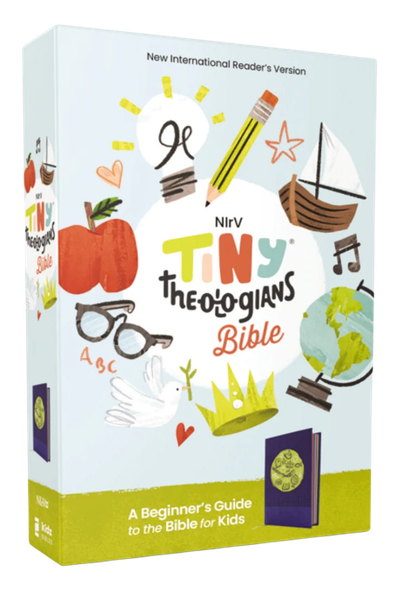
Tiny Theologians Bible
Designed to help kids ages 6 to 10 grow in their faith while learning how to navigate Scripture. This easy-to-read NIrV Bible introduces children to the basics of biblical literacy, equipping them with the tools they need to understand God’s love, mercy, and promises. With engaging study features throughout, this Bible makes it easier for kids to grasp the big story of the Bible—how 66 individual books come together to tell one incredible story of God’s love.
Learn More